Hello everyone and welcome back to our blog for a brand new adventure! We’ve recently explored this wonderful place with our kids and can’t wait to share all the highlights, tips, and useful details with you in this post.
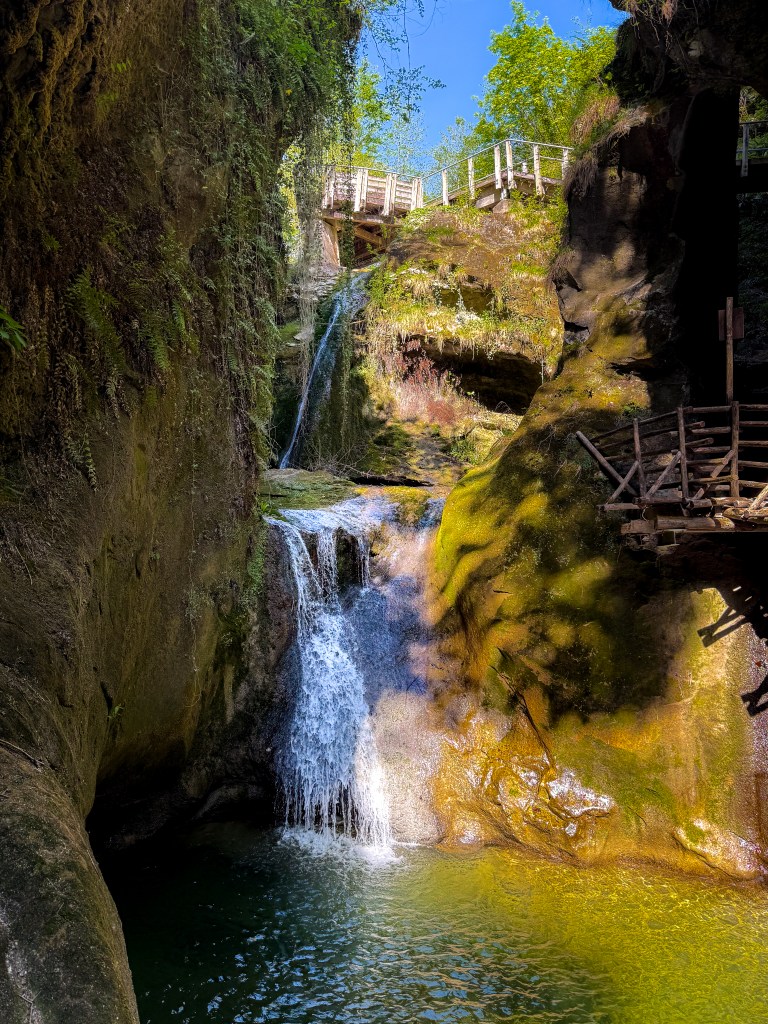
Last week we went to a nearby park called Grotte del Caglieron, located in the town of Fregona in the province of Treviso, Veneto. It truly is a wonderful place to visit and one that feels straight out of a fantasy movie.
This isn’t just your typical park as it combines natural caves made by the Caglieron stream and man-made caves from old stone quarries dating back to the 1500s. So you get this quite unique combo where:
- Nature created spectacular waterfalls, gorges, rock formations, and –
- Gigantic “chambers” carved by stonemansons into the rock for extracting the so called “piera dolza”, i.e. a soft building stone.
If you’re planning on taking your kids on a fun outdoor adventure, visiting a great place in the province of Treviso, or just taking a walk in a stunning place, this post is for you!
How to Visit the Park
How to get there?
As you might know, we live in a somewhat small town called Belluno, in the northernmost province of Veneto, Italy. When we found out about this park, we quickly tried to figure out where exactly on the map it was located. Interestingly, it turned out, we were just 50km away from it, so we instantly decided to hop in the car and drive there.
Unless strictly necessary, we aren’t big fans of taking toll roads. Not that we don’t value them, but we find that sometimes the time saved taking these highways isn’t worth spending the extra money to get there. We also find that traveling on regular roads offers a richer experience in terms of more varied landscapes, glimpses of local architecture, and a closer feel for the places we pass through (just take a look at the picture below, why would anyone want to miss that? Lol). For this reasons, we chose to take the interprovincial roads to reach the park.
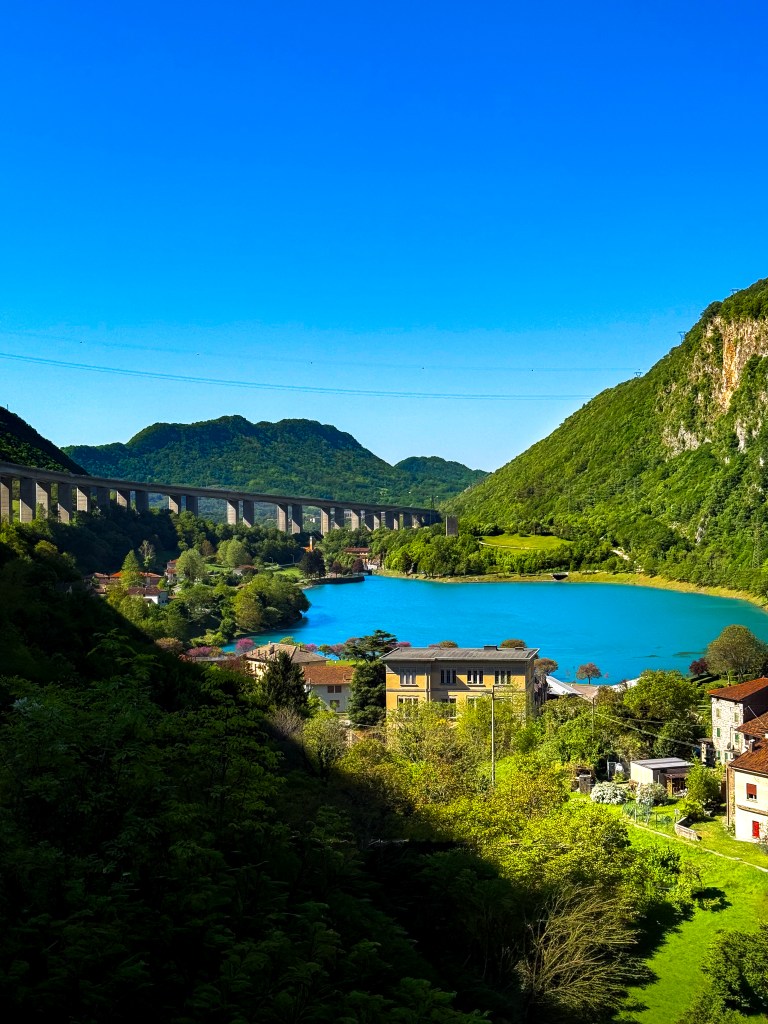
Anyhow, from Belluno we drove south towards Vittorio Veneto passing through the Fadalto Saddle which acts as the natural border between the provinces of Belluno and Treviso. Once we got to Vittorio Veneto, we headed north towards the town of Fregona, where the park is situated.
The drive uphill to the park isn’t ideal in the sense that the street gets narrow with lots of blind curves. However, the scenery is majestic and overlooks the below valley beautifully. We entered by via Costa Rive which then becomes via Colors which ultimately become via Ronzon. With some prudence, you’ll be able to get from the bottom to the top in 10-15 minutes.
Where to Park?
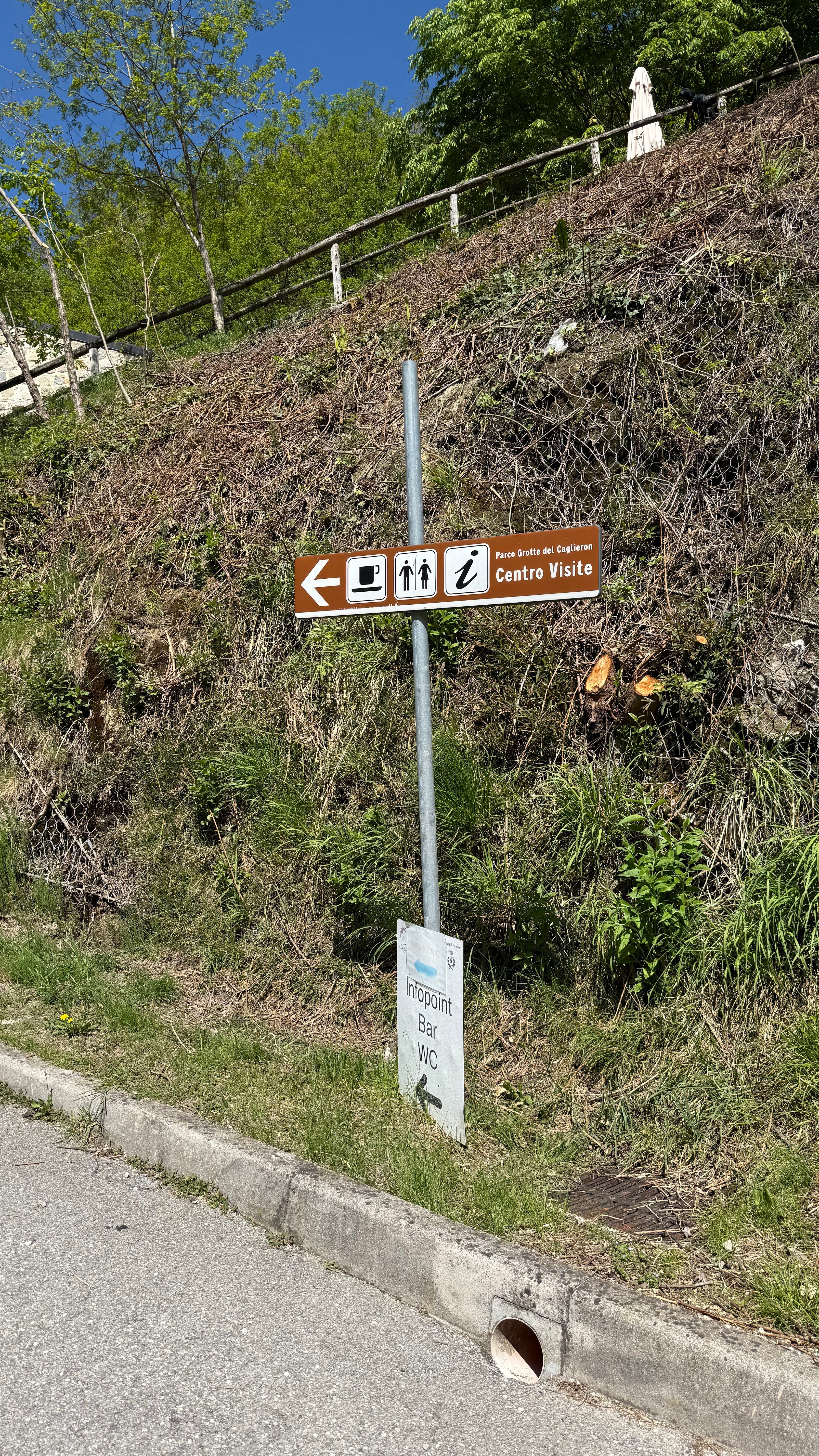
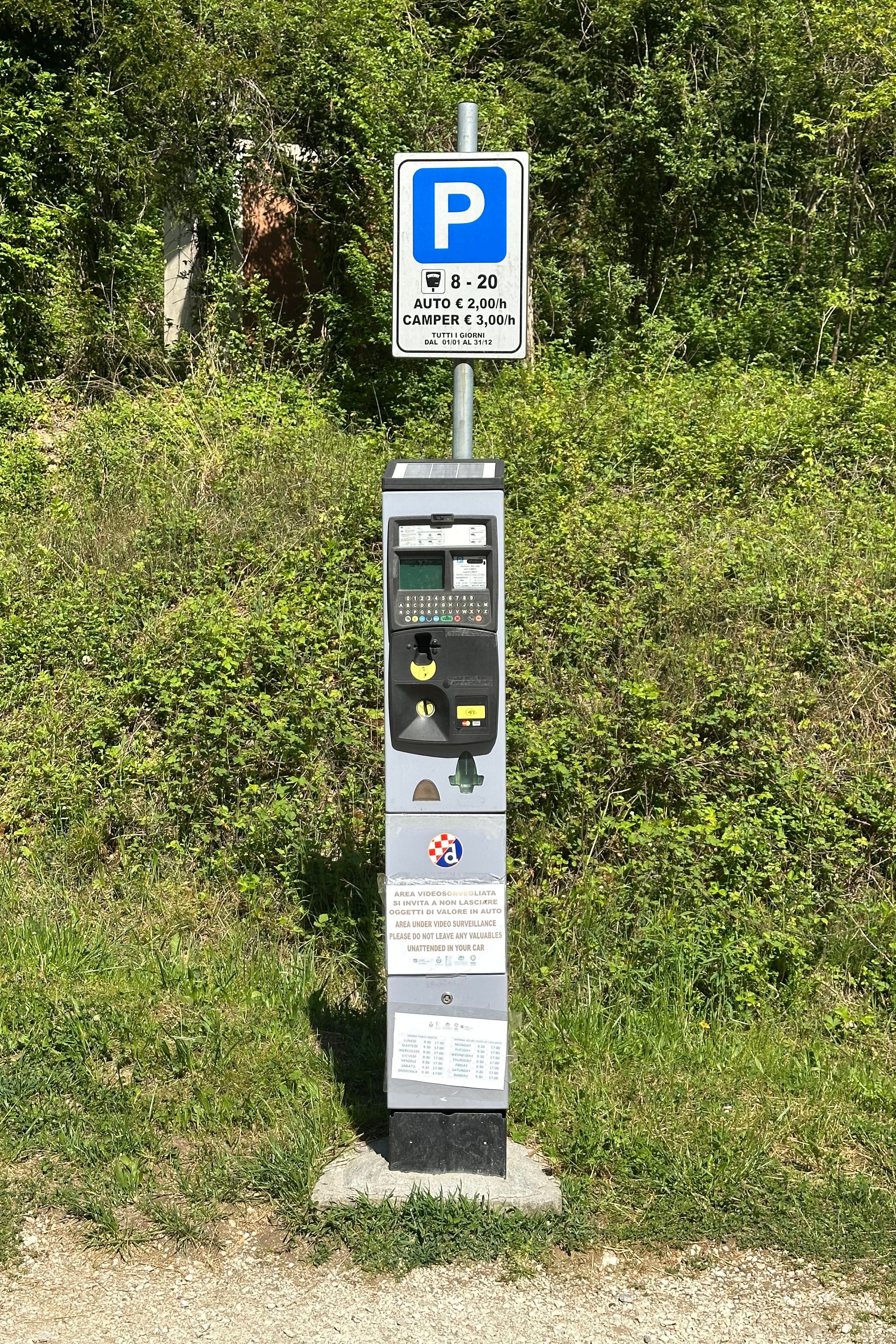
As we went to the park during the week and not on the weekend (when instead it tends to get busier), the parking lot wasn’t full (perhaps 3-4 cars besides ours). The safest option is to park at the Parcheggio Ronzon, located 50 meters past the tourist information centre. There’s a parking meter in the area which allows you to pay either by cash or by credit card. On note: the parking offers both stalls for cars and campers (you’ll just need to drive further up to see the bigger parking stalls for them).
Cars are charged €2/hour whereas campers pay €3/hour. We paid for 2 hours and it was more than enough to cover our visit. However, we didn’t plan on eating at the park so maybe consider that when deciding how long you should pay for.
What You’ll See Inside
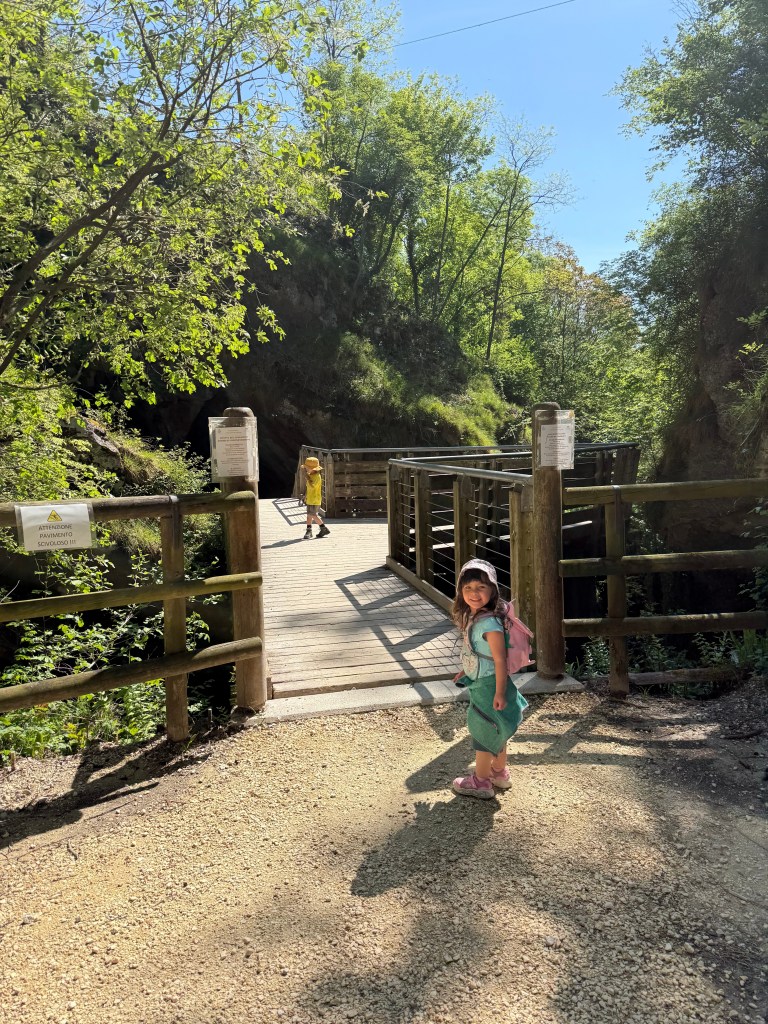
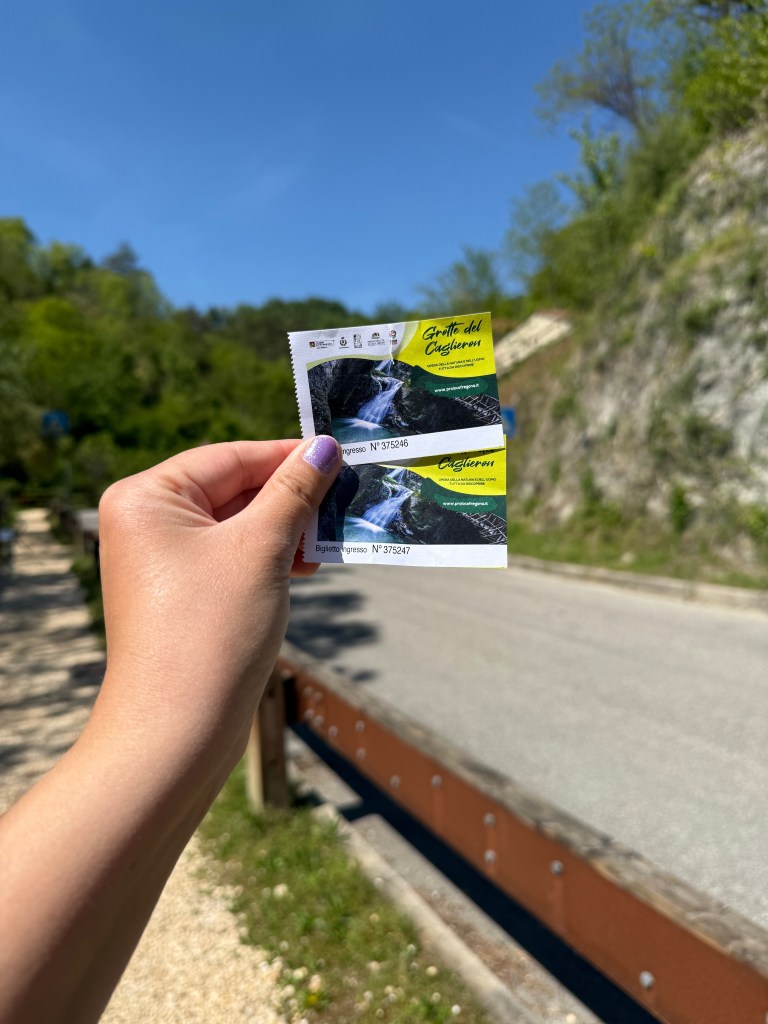
Once we parked up the car, we headed towards the tourist visitor centre to buy the tickets and officially enter the park. The admission ticket costs €4 per adult and it is free for children under 12 years of age. We therefore paid €8 total and got escorted by a lady to the entrance of the park, just 100 meters away, crossing a bridge and reaching a wooden gate. The staff had to escort us because they have to unlock the gate for you to get in. However, during the weekend, there’s a counter right at the gate, so you don’t need to purchase your tickets at the visitor centre but instead directly at the park entrance.
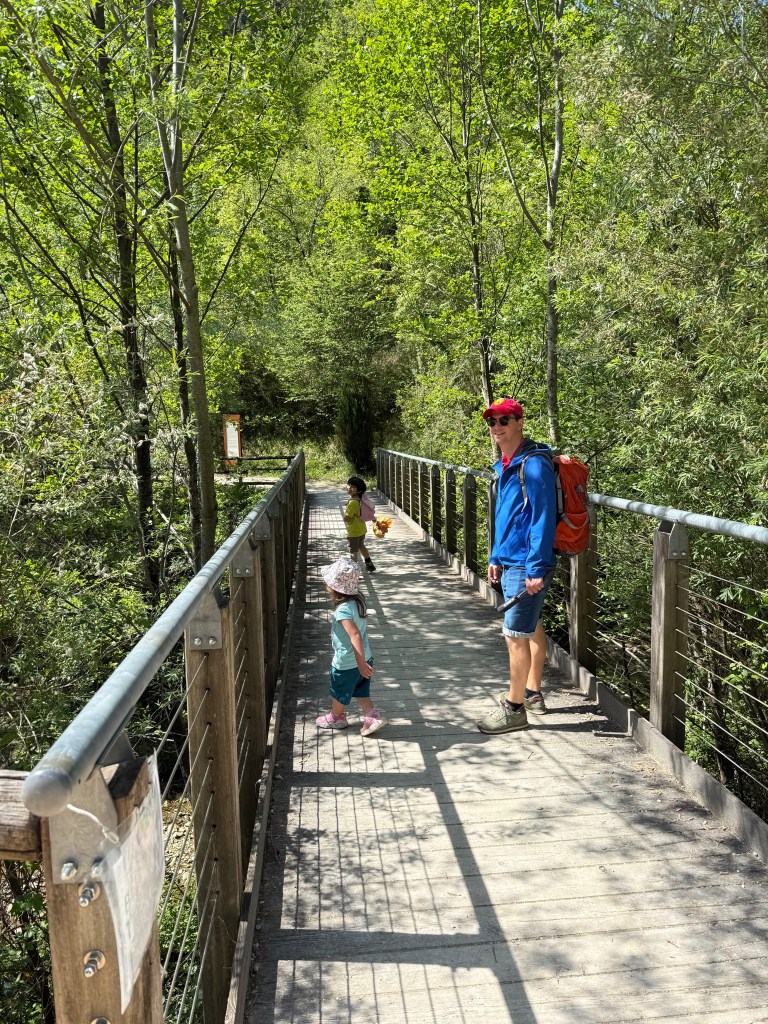
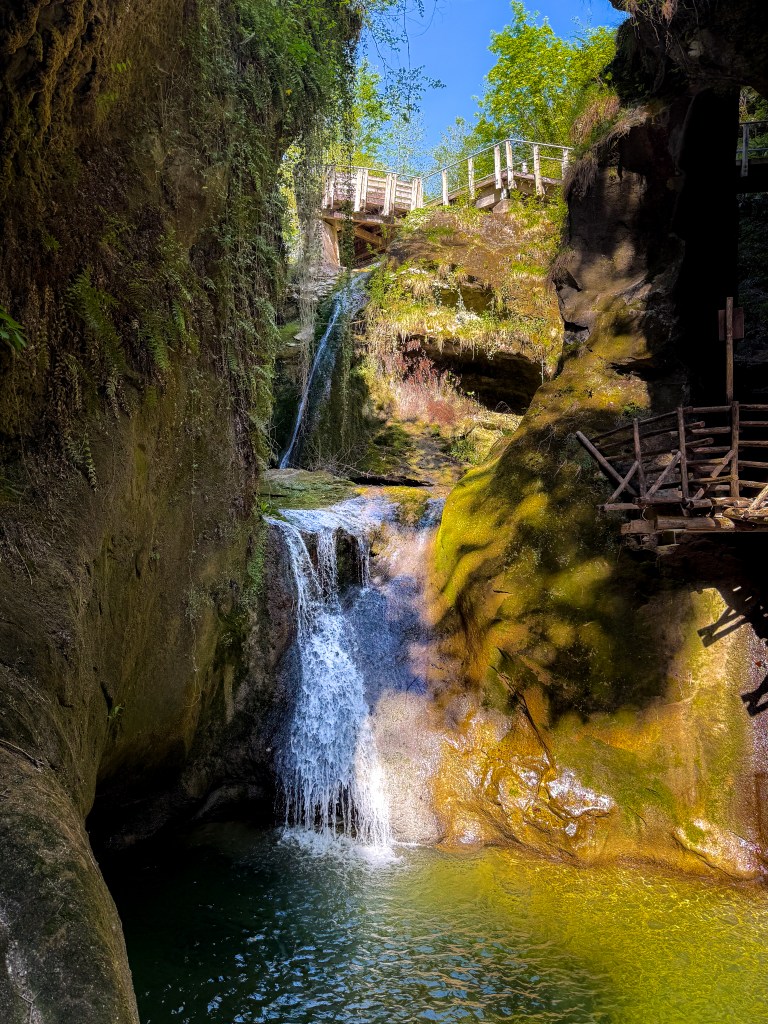
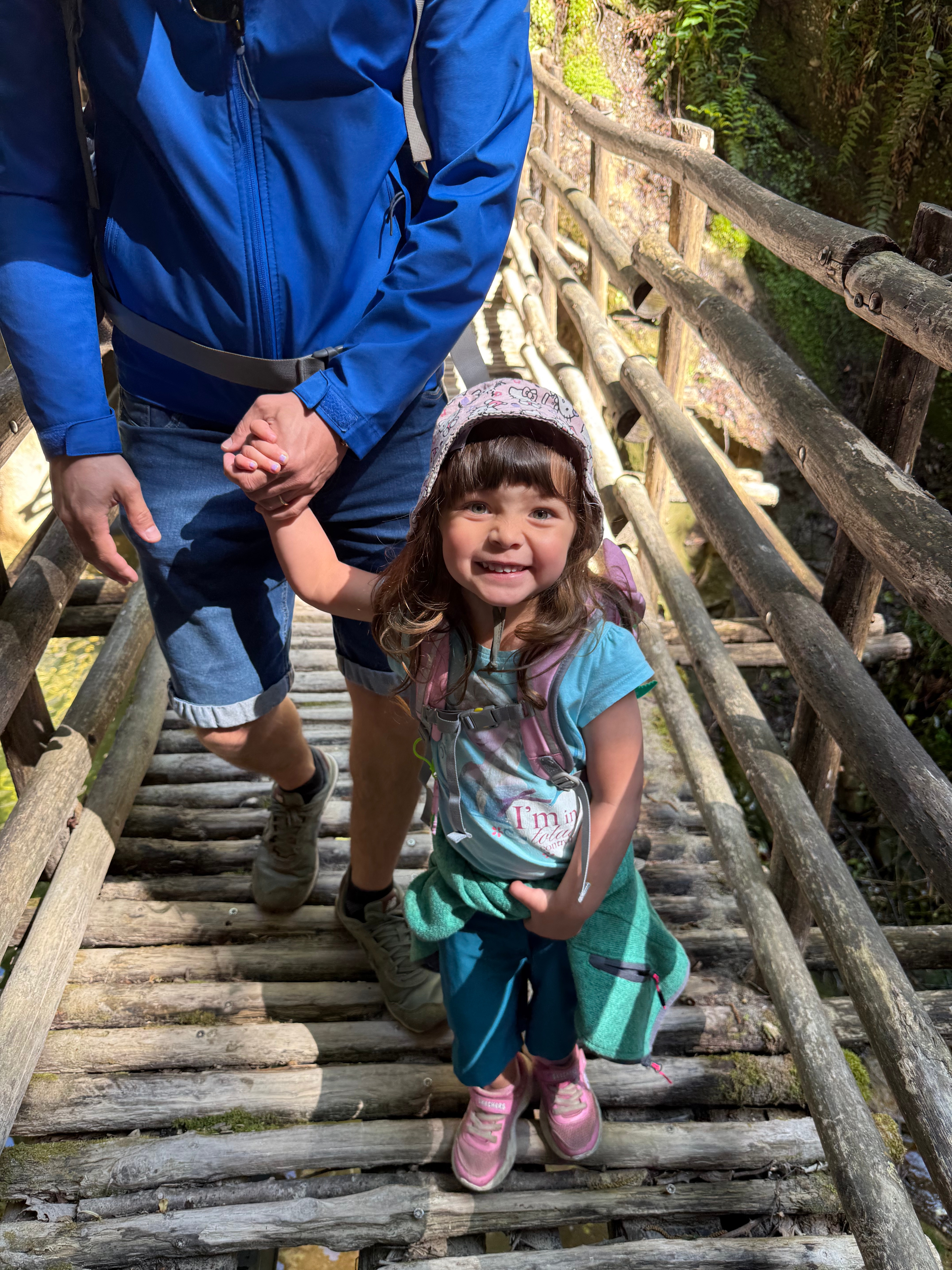
The park is structured in a clever way meaning it is a loop trail of about 1 km that, at normal pace, takes you between 30 and 60 minutes to complete. It is an easy walk (it goes downhill in the first half and uphill in the second half), not stroller friendly and definitely very charming. Also, consider wearing proper shoes as the trail can be slippery, especially when passing through the caves over the waterfalls on suspended wooden platforms.
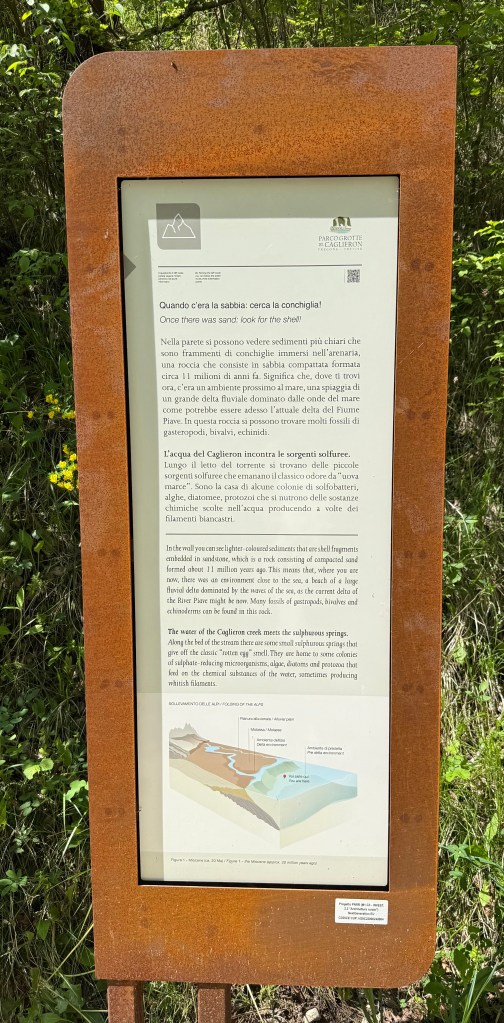
Along the trail, you’ll find several informational and curiosity signs. They share interesting historical facts about the area as well as insights into the park’s biodiversity, and are presented in both Italian and English.
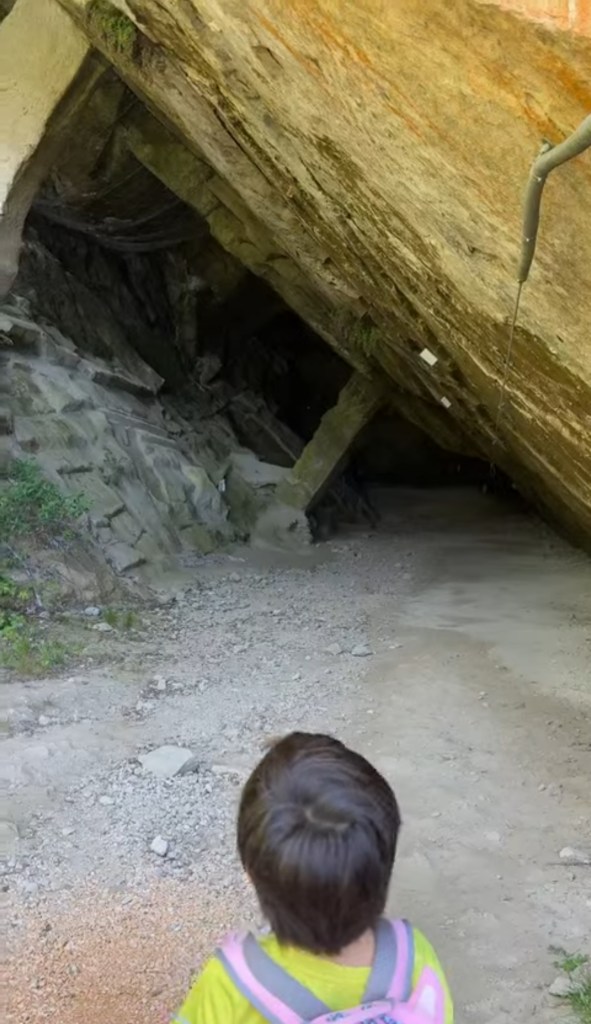
The very first cave you’ll see after entering the park is the majestic “Grotta dei Breda” characterized by the slanted columns that support the layers of sandstone forming the ceiling.
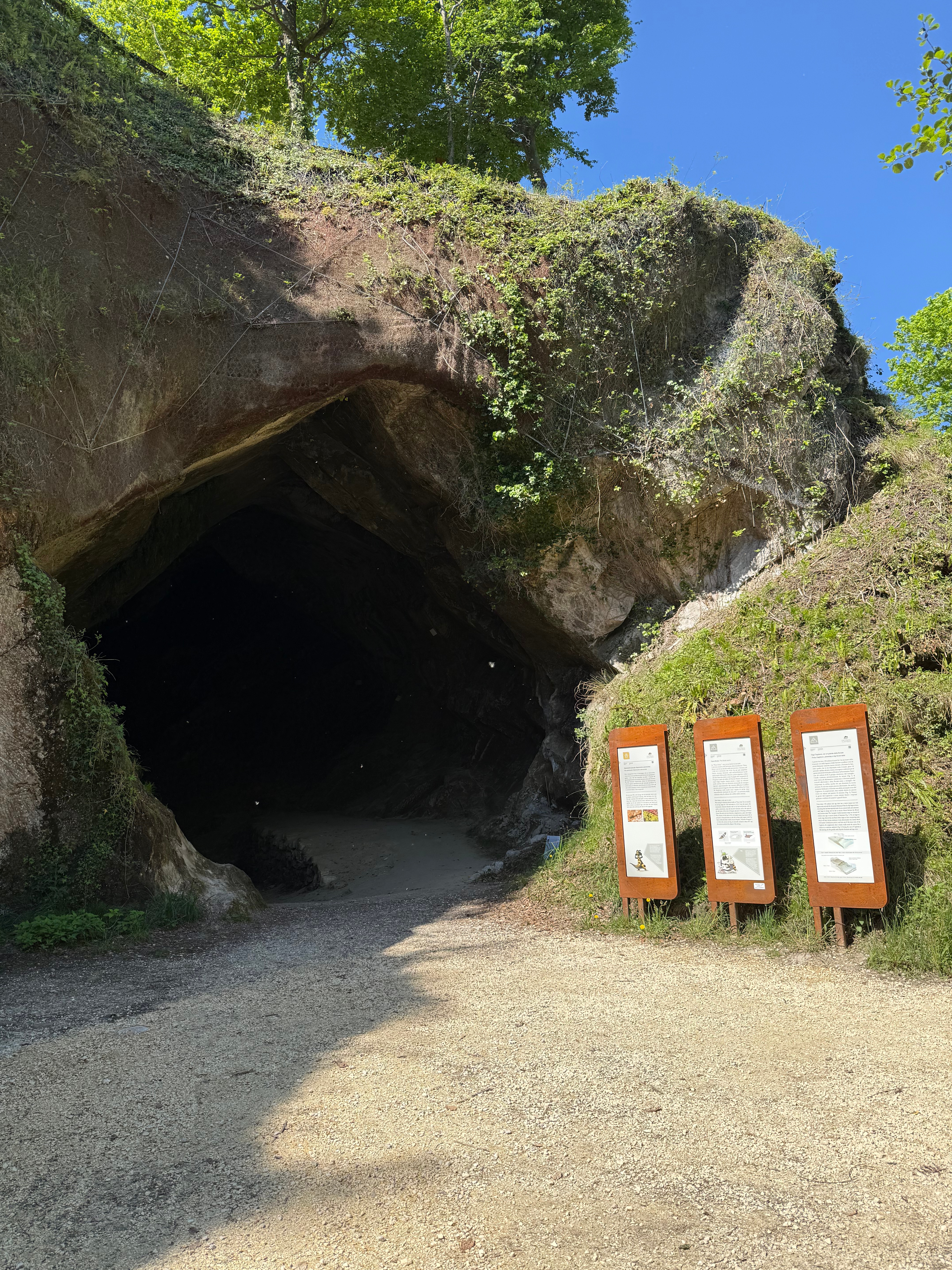
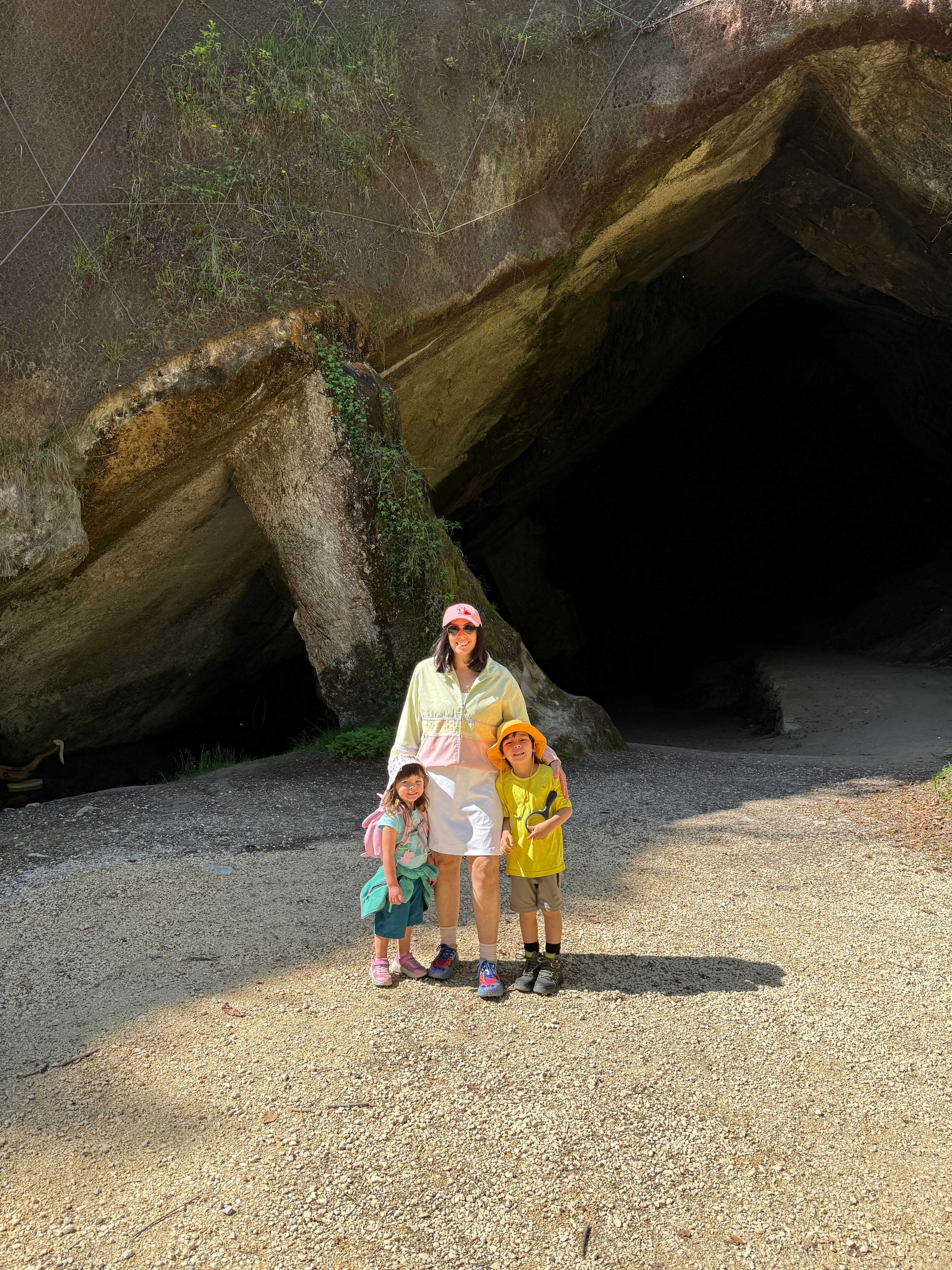
Standing on the opposite of the first cave, there’s the second one called “Grotta di San Lucio” which is still used for the refinement of cave cheese through aging, thanks to stable humidity and temperature.
Continuing on the main trail, one immediately gets to the highlight of the park which is a spectacular lookout on a natural gorge. The trail goes downhill and passes over beautiful waterfalls over some suspended wooden bridges.
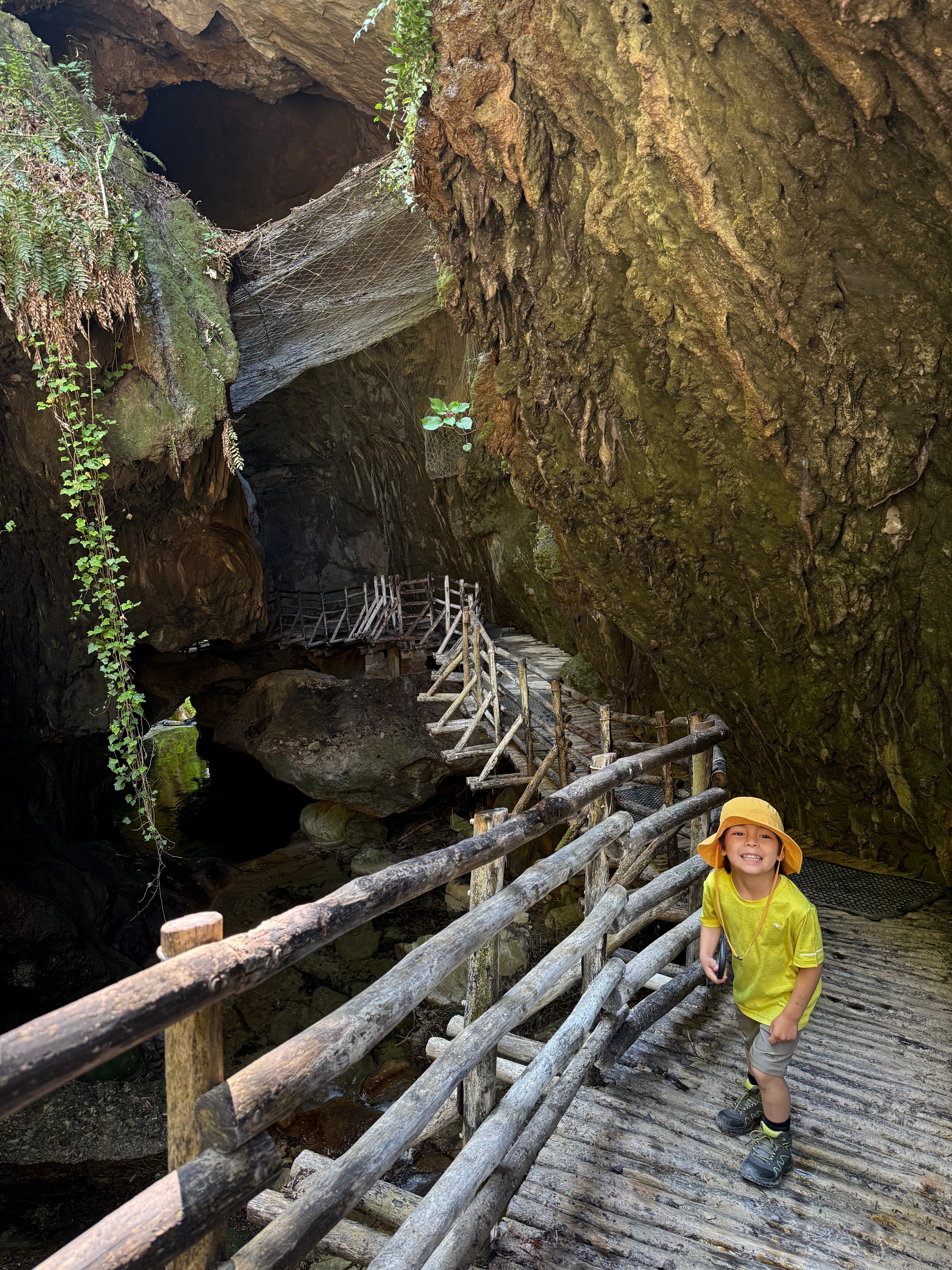
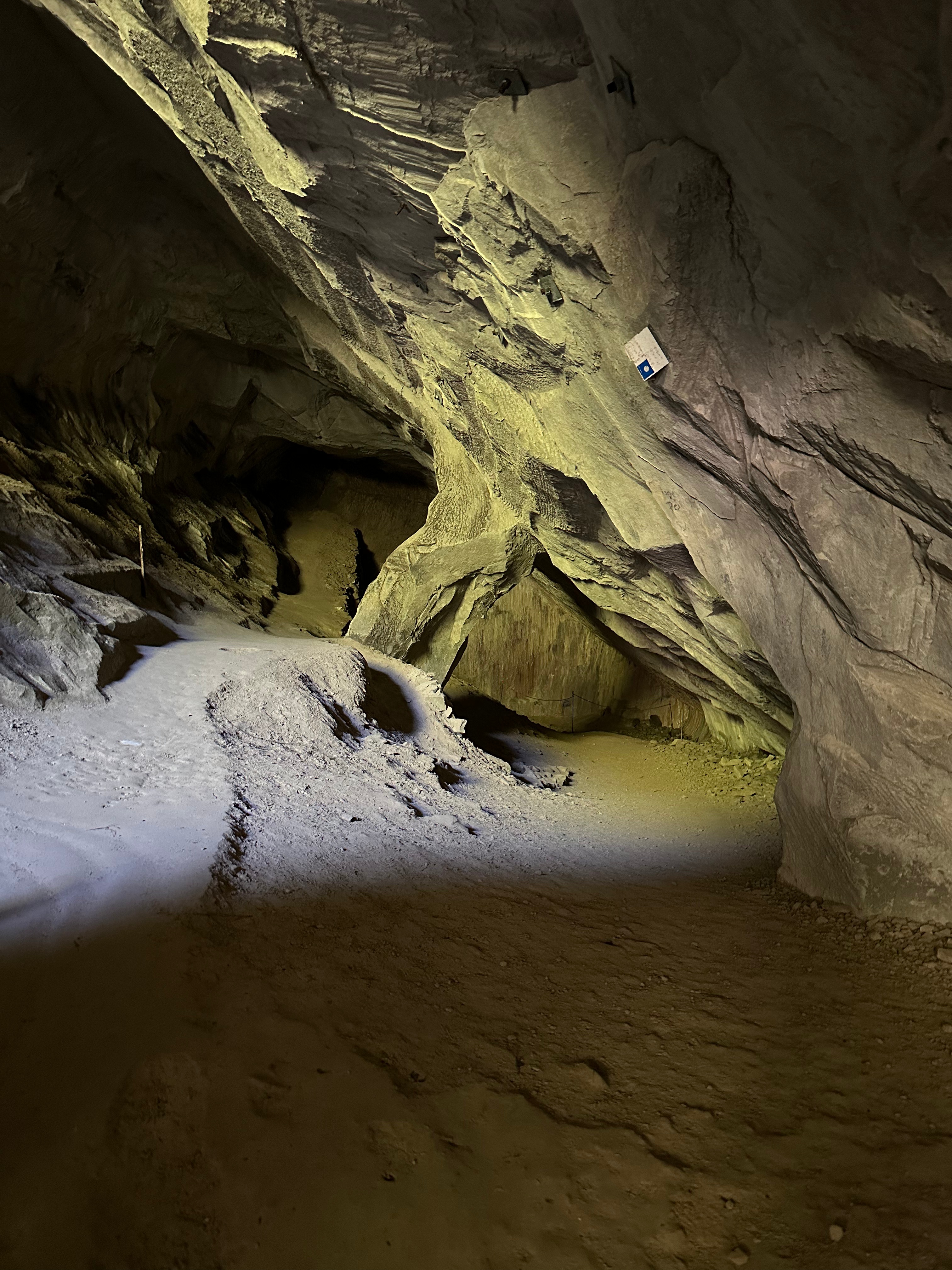
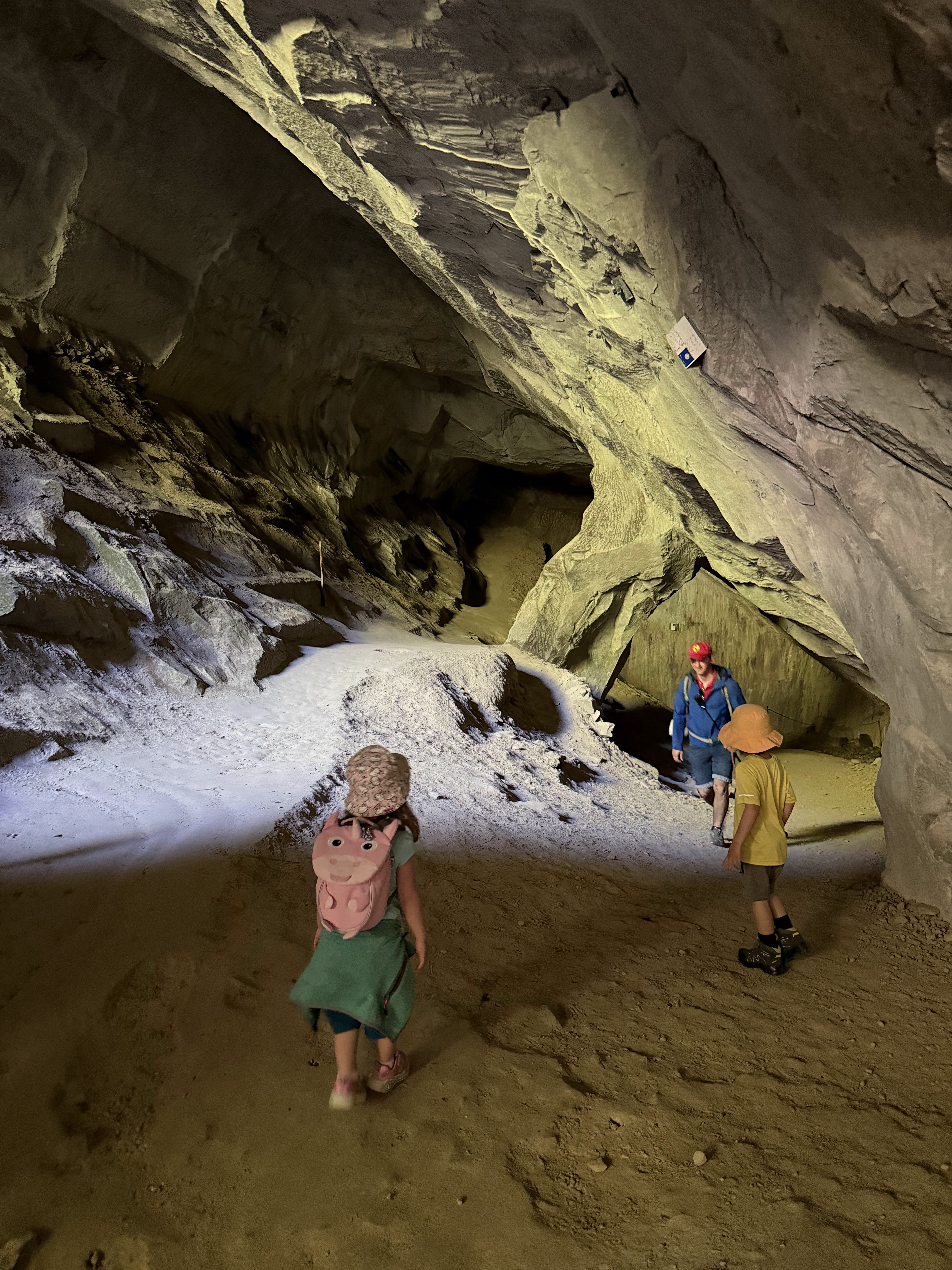
Exiting the gorge, the trail leads to an ancient water mill which is now a public bar and restaurant. The water mill is called “Mulino delle Caldiere” and is dated back to the 15th Century (although historians say it was constructed at least two centuries earlier). The water flow, influenced by the considerable difference in height during its course, supplied the hydraulic energy to the wheel and then to the mill.
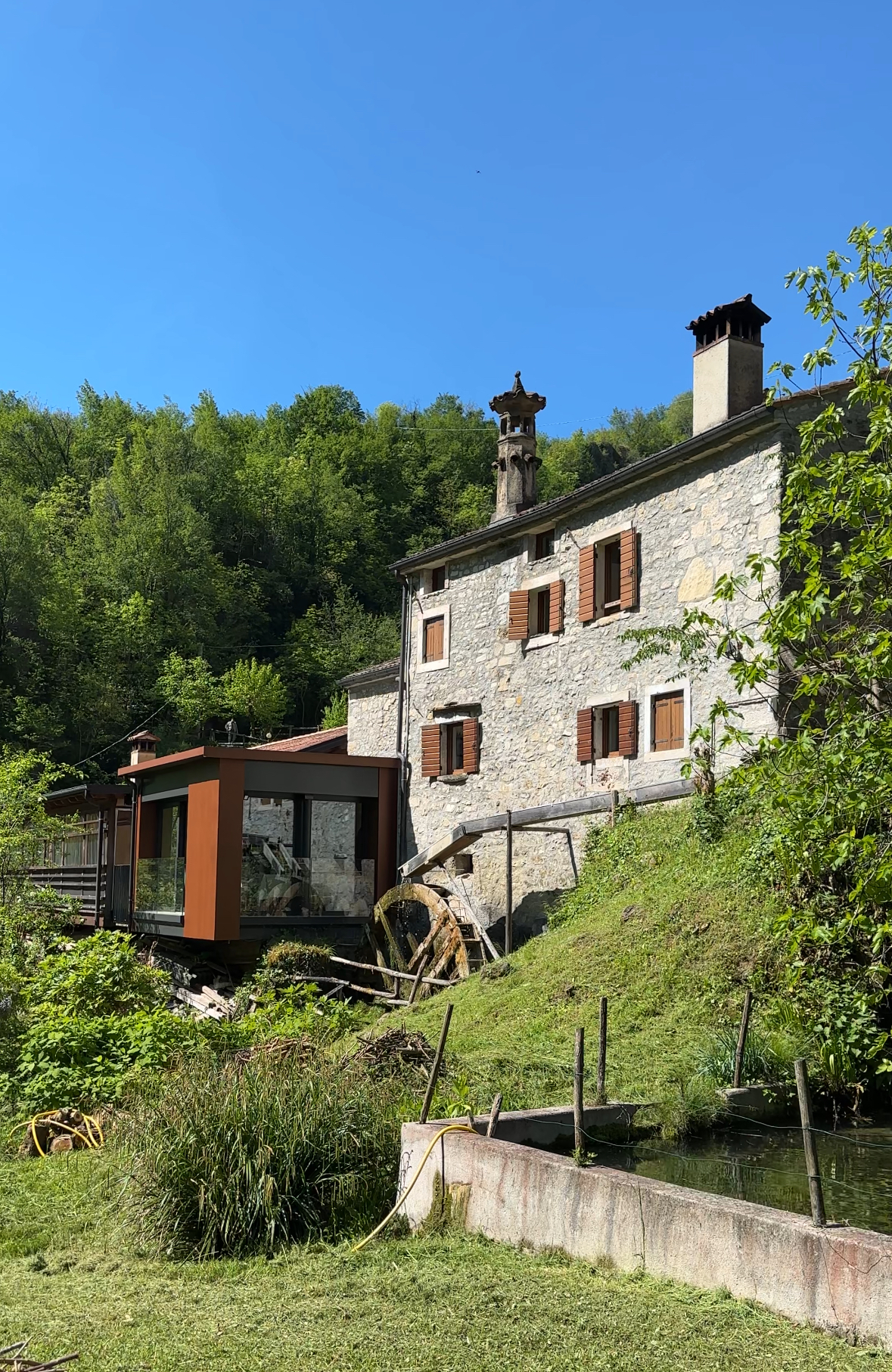
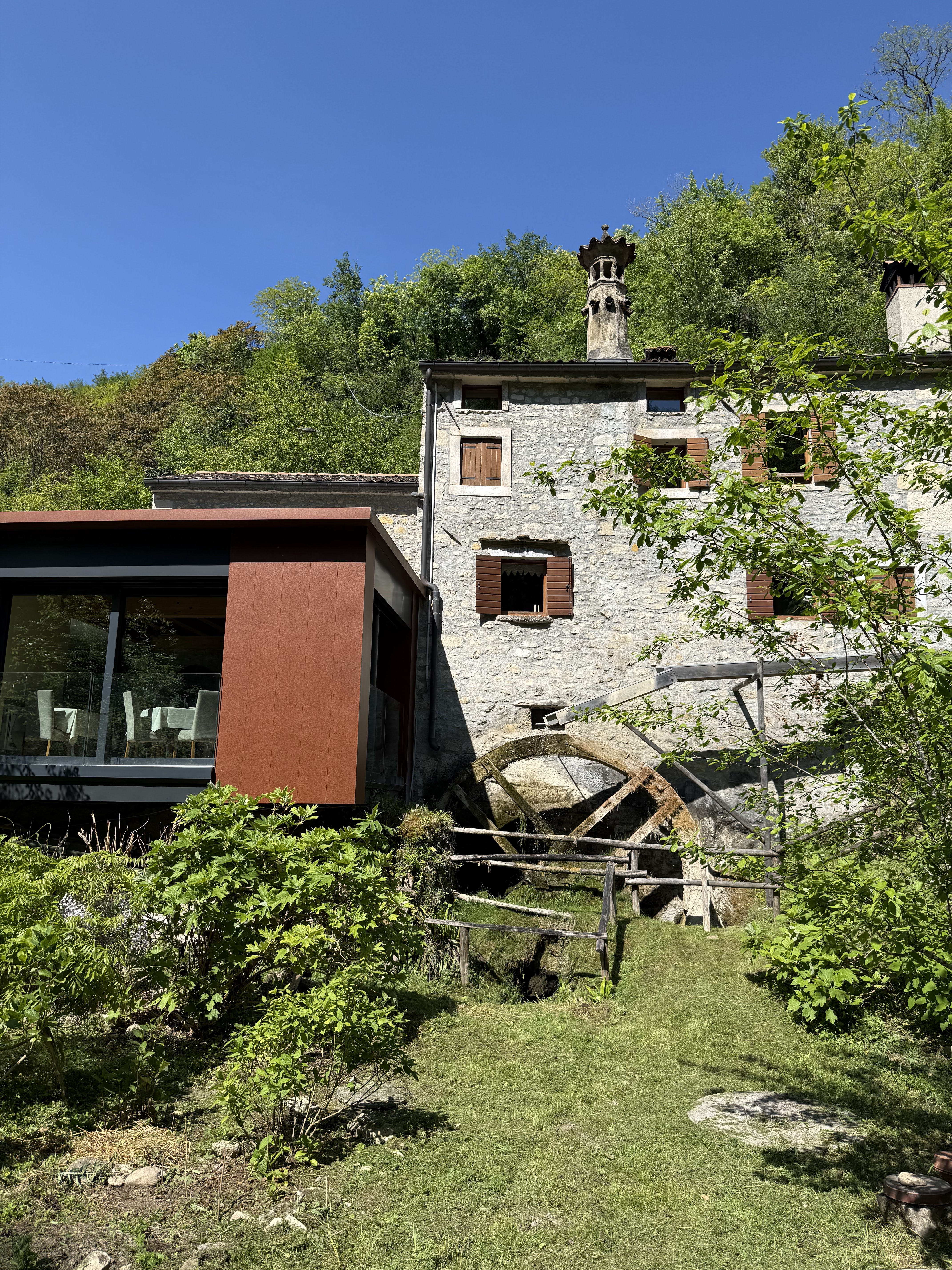
Finally, the trail takes you to the “Mulinetto“, a secondary water mill located past the previous one where one can walk in and check the ancient wooden wheel.
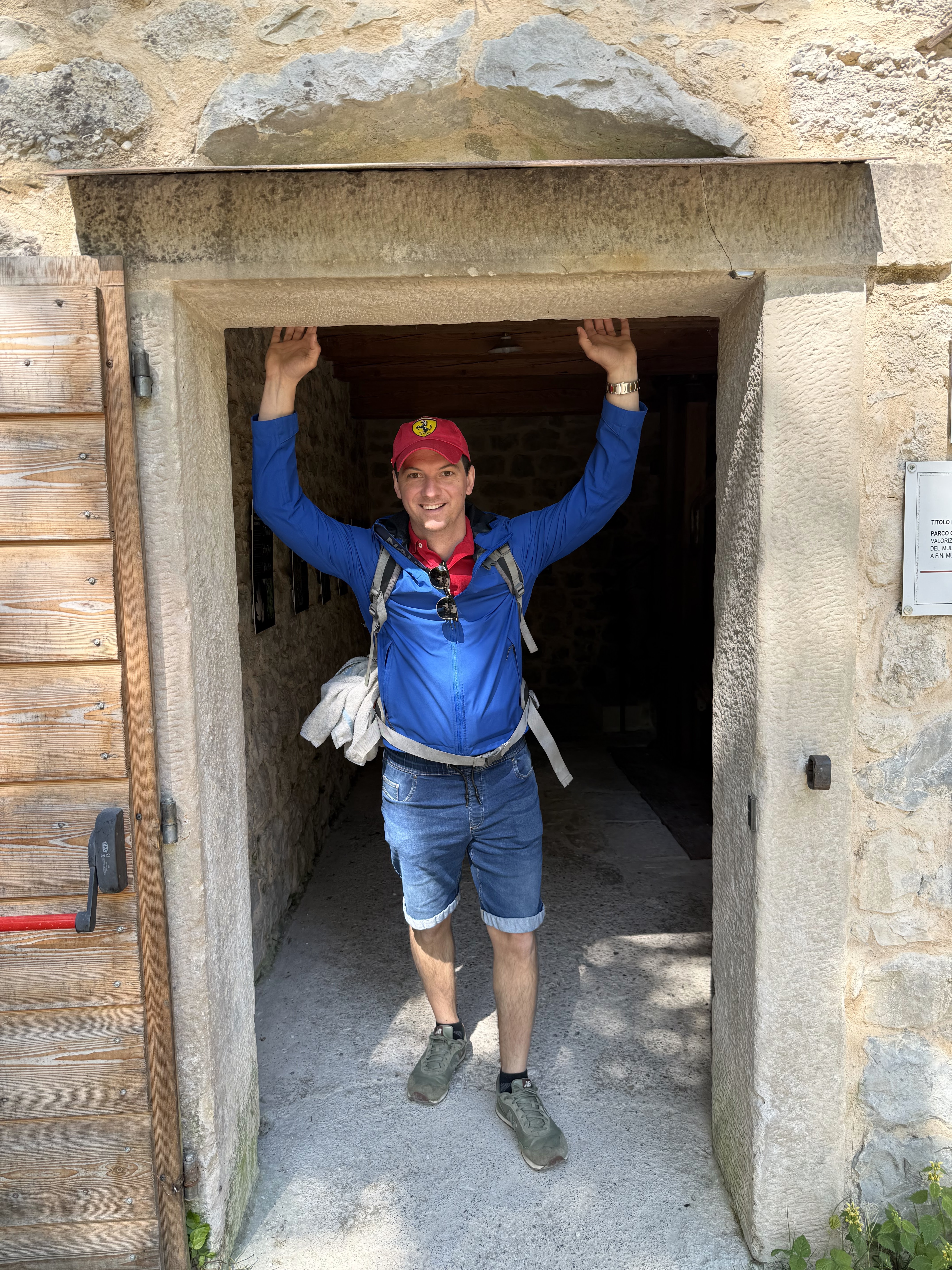
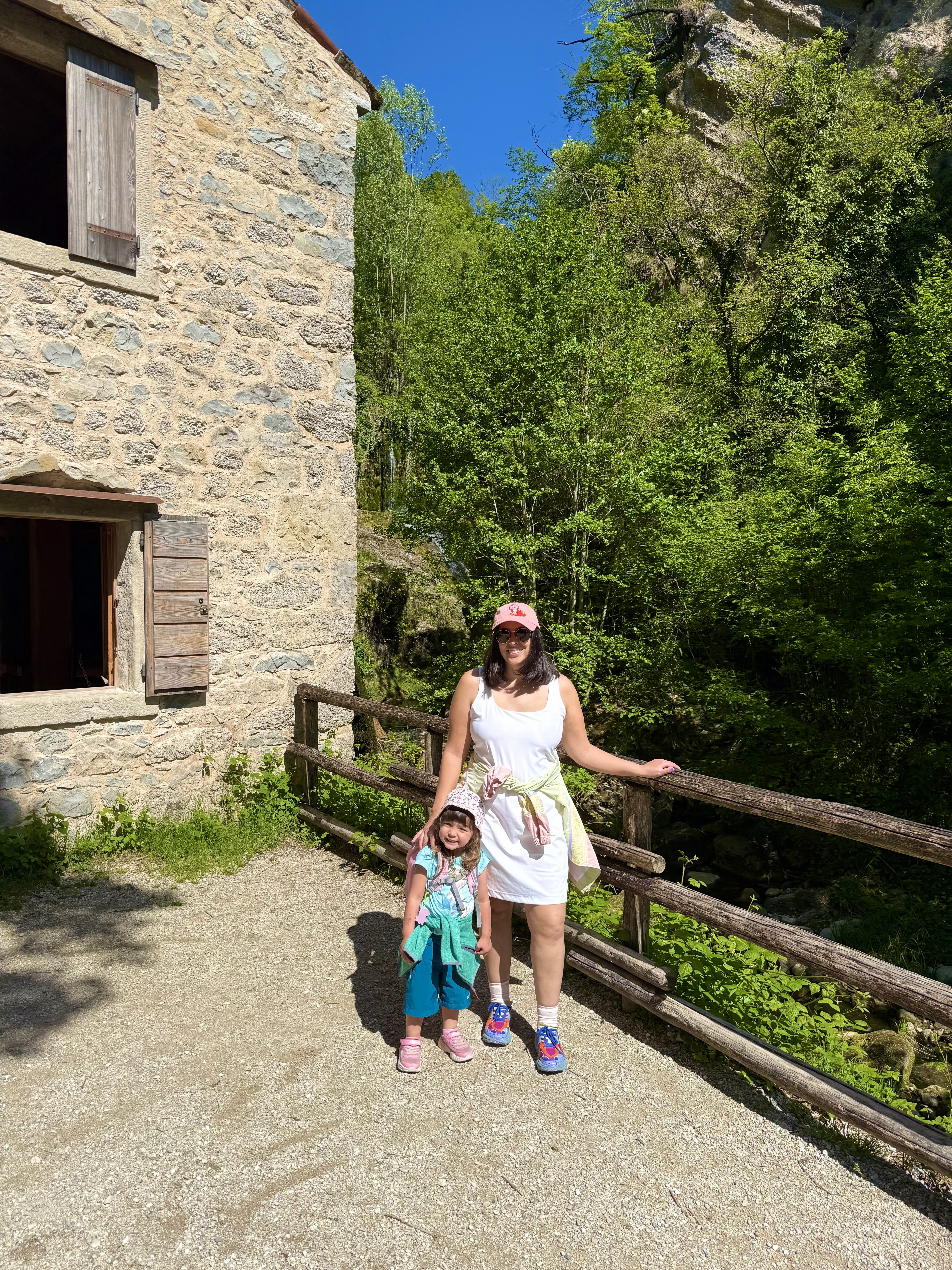
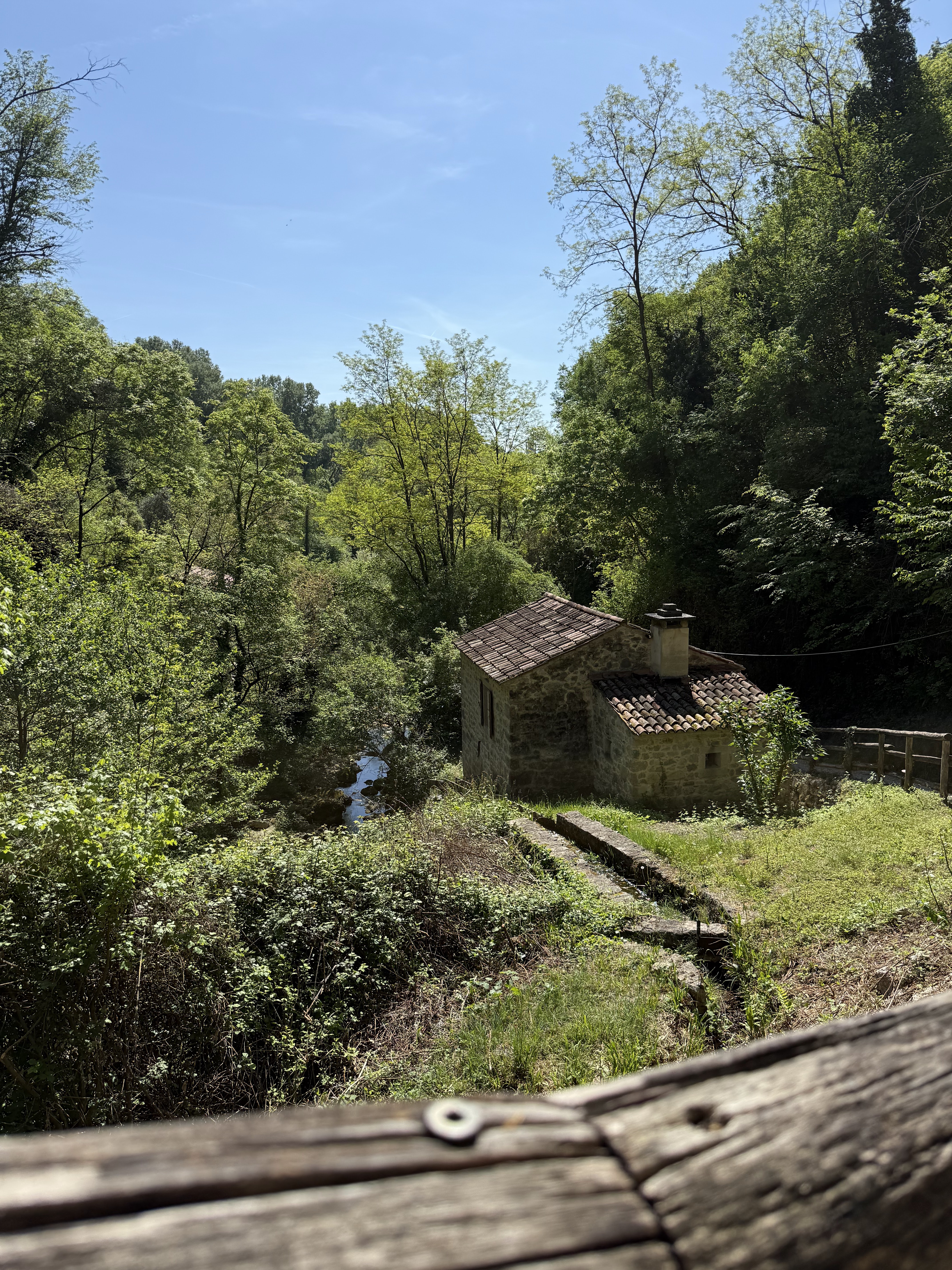
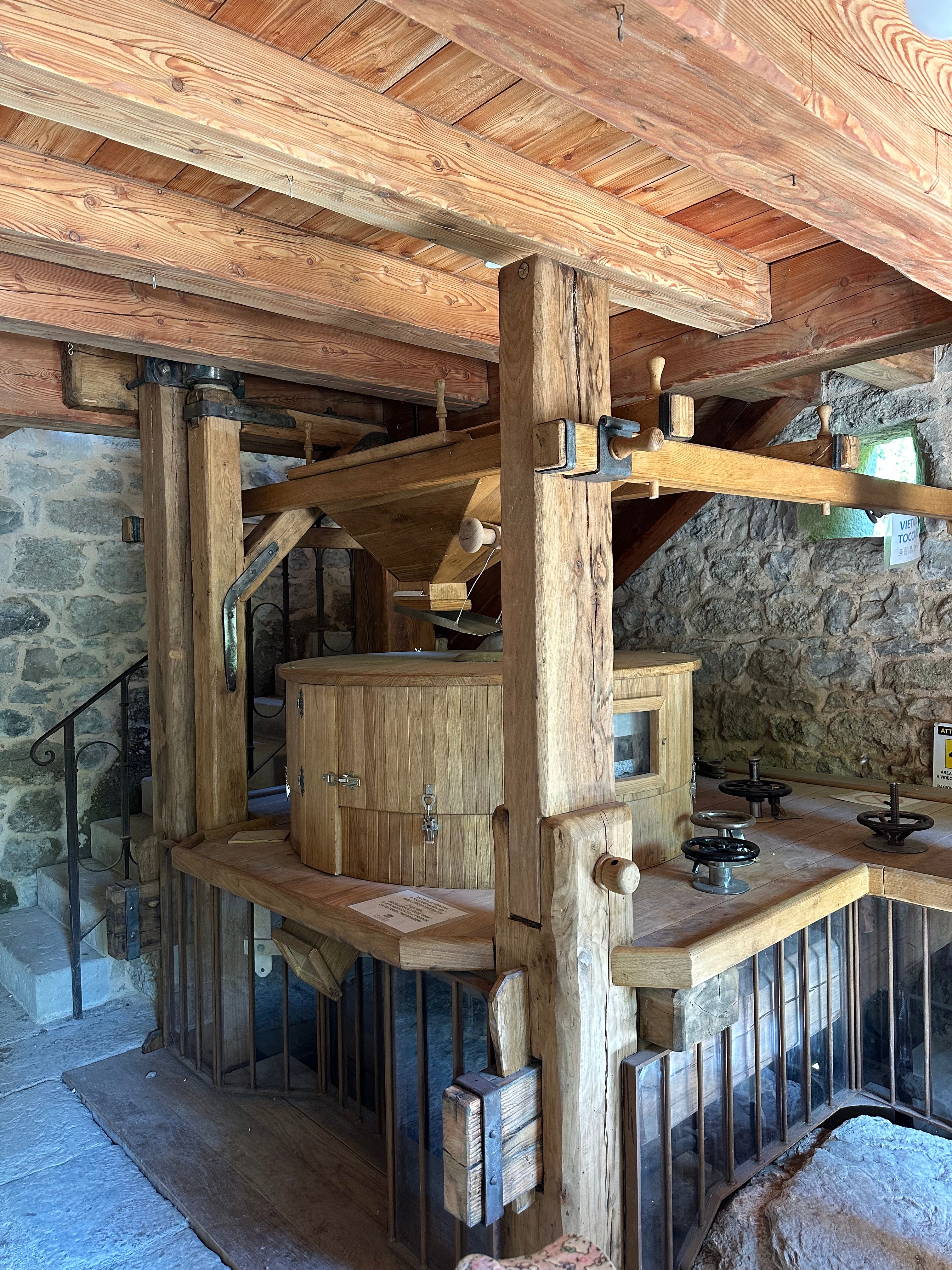
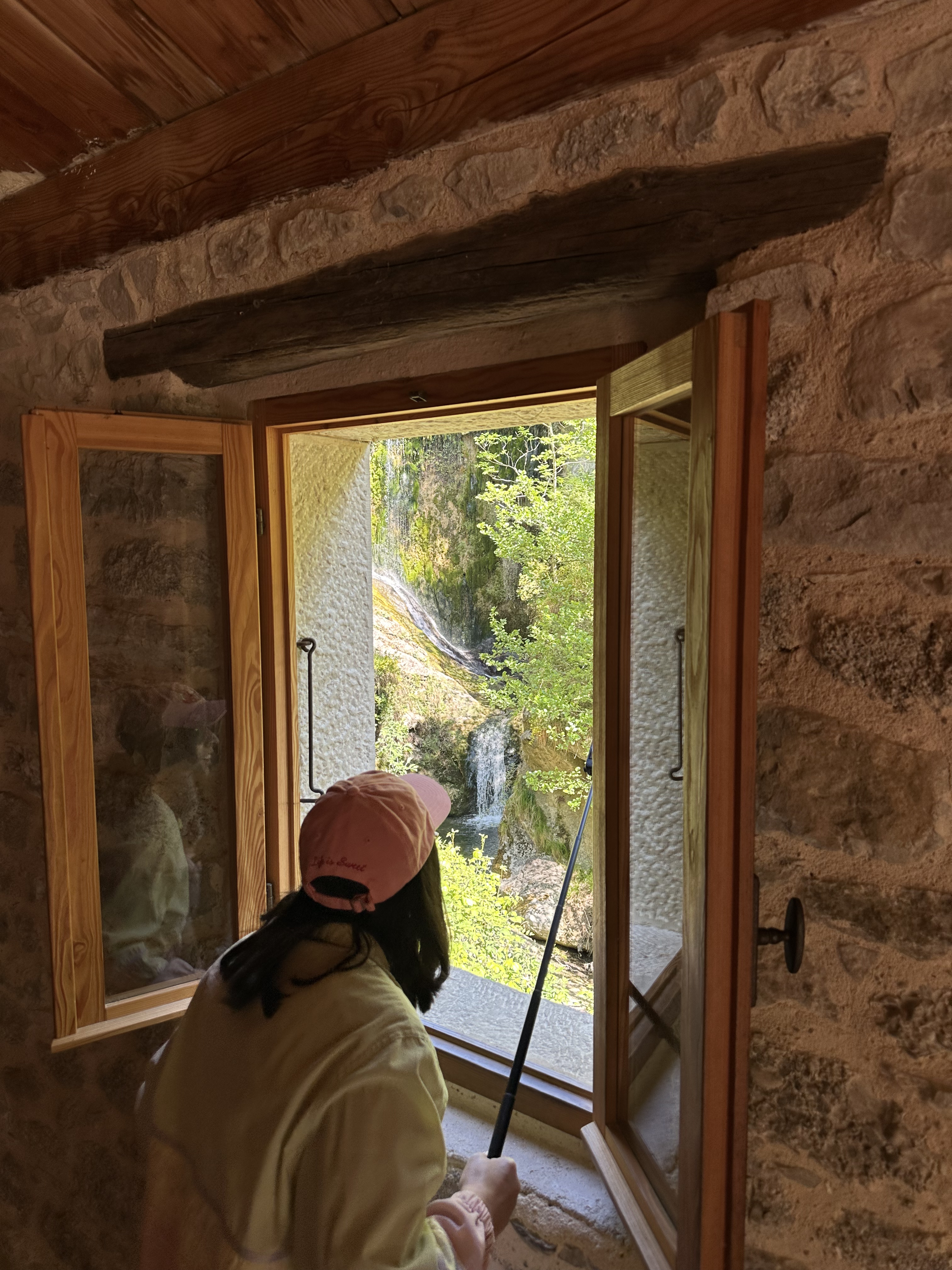
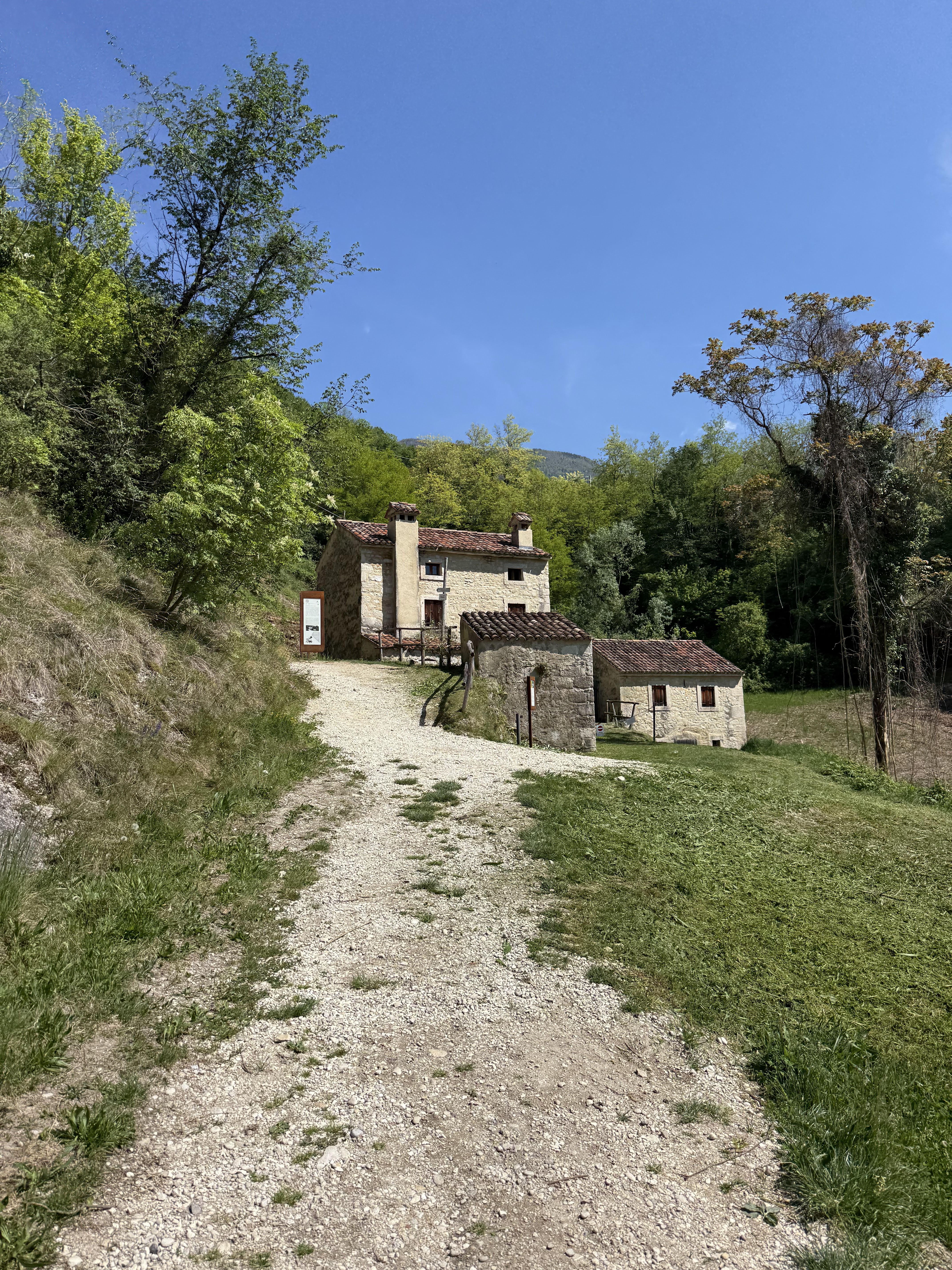
The second half of the trail begins again from the Mulinetto, passing behind the restaurant before climbing uphill toward the “Borgo dello Scalpellino”. This small cluster of houses was once home to stonemasons who carved and shaped rock for decorative monuments. Today, the buildings appear to have been converted into a museum showcasing these old crafts, though we didn’t go inside as the kids were starting to get hungry.
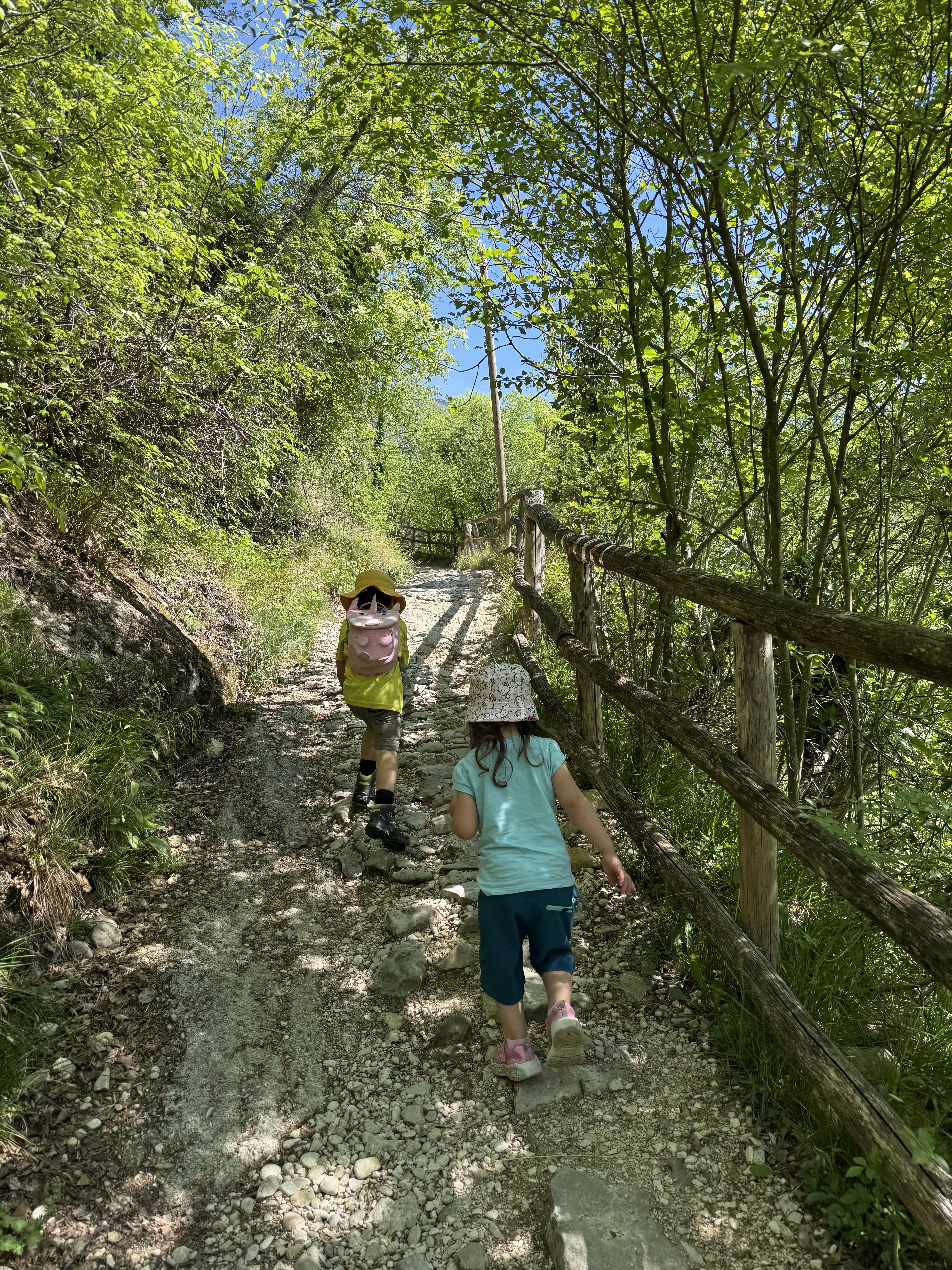
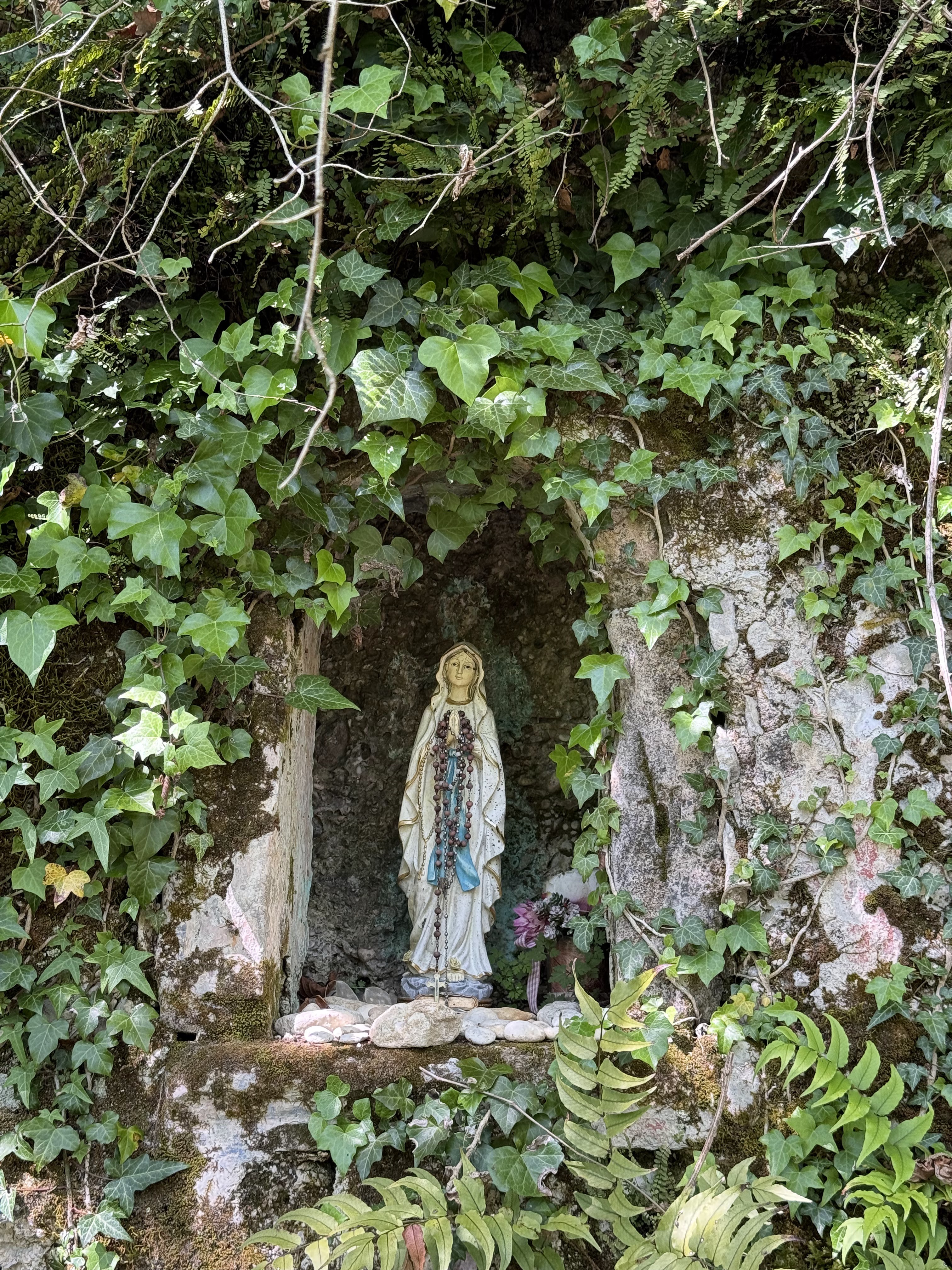
The final stretch of the trail completes the loop, emerging onto the main road almost directly in front of the “Grotta di Santa Barbara”, which was once used for mushroom cultivation. From there, we followed the road back to the original wooden bridge where we had been dropped off at the start.
Conclusion
Places like the Grotte del Caglieron park are exactly the reason why we love exploring Italy: unexpected, stunning, and full of character. It really is a reminder that we don’t have to go far to find hidden gems like this park.
Whether you’re visiting as a couple, with friends, or with your family, Grotte del Caglieron is an easy, quick walk that feels completely different than the usual touristy spots and the perfect addition to any trip in northern Italy.
If you enjoy discovering less known destinations like this, make sure to check out our other posts and follow along for more itineraries in the Bel Paese.
‘Til next one,
Priscilla


Leave a Reply